
It’s probably not a surprise to learn that I’m something of a perfectionist when it comes to my writing. I’ve got all sorts of rules that I adhere to; most were the result of courses I took in high school or college (i.e. all paragraphs must have a minimum of three sentences), but several developed as I began my journey toward becoming published. The quirkiest of those is my strange obsession with ensuring that the paragraph I am currently writing doesn’t begin with the same word as the one just above it — something that is often hard to spot until I am in the final copyediting stage of my process. Exactly why that particular foible exists is likely the end product of having to read so many technical journals for my day job, most of which are dry statistical rundowns of whatever it is I am currently researching. That sort of monotonous reading tends to have your eyes begin to focus on patterns, and the last thing I want my readers to start to do is note that the last five paragraphs all started with “the” or “as” or “I.”
I’ve been writing long enough now to have watched the tools we use evolve. My early days on WordPerfect saw marathon sessions running the then-new thing called “spellcheck,” a marvelous function that literally reviewed each and every word in a given document, forcing possible errors to be manually reviewed and corrected. Early versions of Microsoft Word did something similar; the next quantum leap came somewhere in the late 1990s when the now omnipresent red squiggly underline began to appear as you typed. This sort of in the moment, inline correction was revolutionary, but also introduced the ability to self-edit while writing. One of the hardest habits for me to break while working on a novel is to let the built-in editor bully me into reworking what I just wrote, for when I give in, I tend to lose the thread of what I was originally trying to do. Folks who grew up on a typewriter probably know where I am going with this — namely, the enemy of creativity is pausing to reach for the virtual white-out to fix something that can be done during the true editing process that supposed to take place later. Getting the thought out should be paramount during the actual writing process; finesse and polish always come later.
Or at least, they should.
For the most part, I’ve held myself to the same process through nearly twenty novels: I write the first draft over the course of six to ten weeks, then let it settle a bit on my virtual desktop before tackling the first major edit. At that stage, I’m generally reviewing the flow of the book while correcting any typos or other grammatical errors the various built-in tools I have overlooked. As good as most of those systems have become, they’re not foolproof — which is why the second stage is handing off the manuscript to my trusted group of beta readers. Not only do they weigh in on the overall plot, they often will catch continuity errors that have crept in (despite how carefully I try to remain consistent) or subtler issues around word choice no automated system is capable of rendering an opinion on. I take all of that feedback to heart and produce the third draft of the manuscript, then re-read it again myself, tweaking further as needed while attempting to squash any other bugs that might have gotten past the two prior reviews. Generally speaking, by the time readers see the book as a preorder on Amazon, I’m pretty comfortable with the final product — but even then, I’ll often do one final top-to-bottom review about a month out from publication just to ensure nothing incredible egregious slipped through.
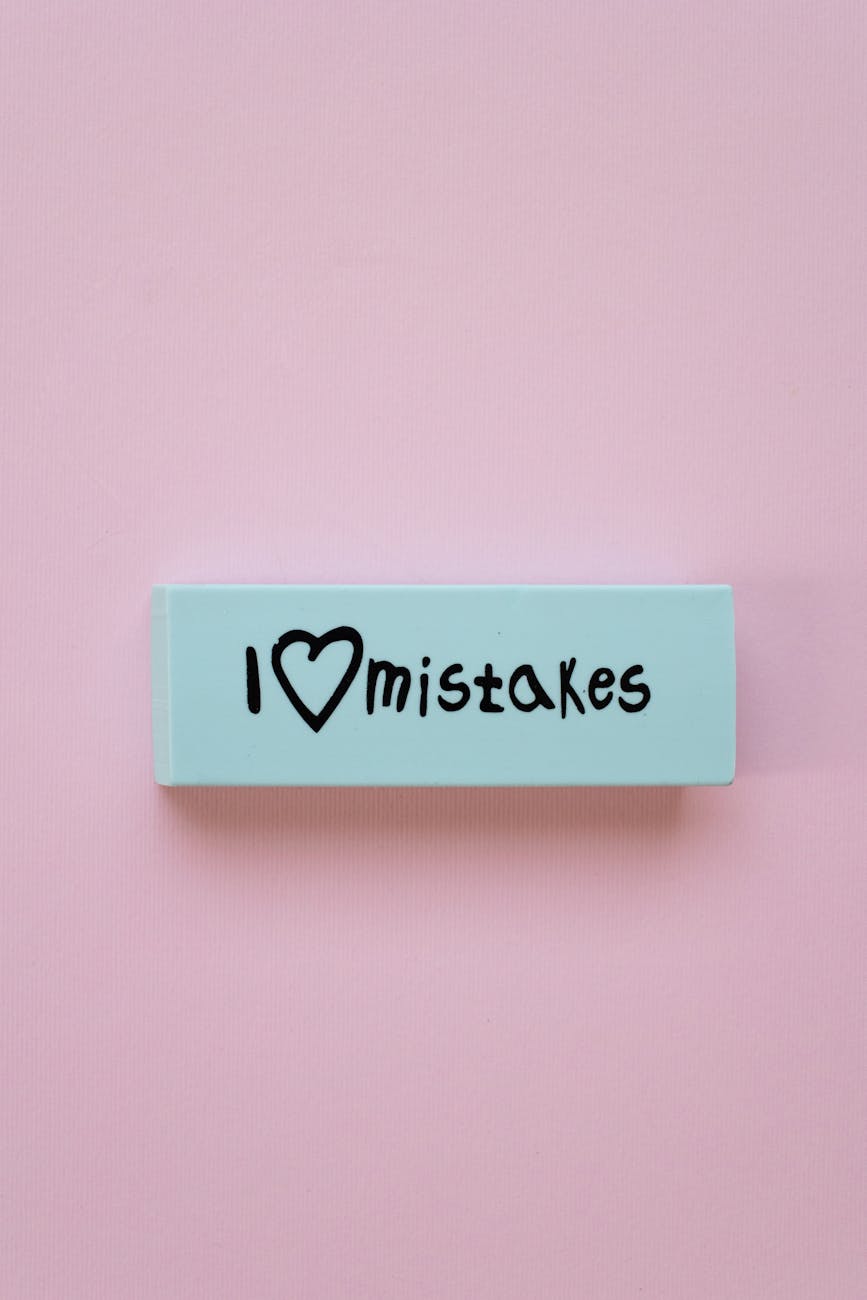
My process isn’t perfect, of course; I’ve gone back to read earlier novels prior to writing the next one in the series and often find myself facepalming over a typo or a stray comma or some other oddity that, for whatever reason, didn’t register on anyone’s radar until that moment. Those that I rely on for reading and editing my work are incredibly good at what they do, but in the end, we’re all humans working on a deadline. I have corrected — and will continue to correct — any issues I uncover for all of my works in the digital space; those changes magically appear the next time a Kindle reader opens my book. Sadly, I don’t have the same ability to do so with printed versions.
I’m forever grateful for readers who are invested enough in my novels to take the time to let me know when they encounter something awkward in a book. While the correction may not always be easy, it’s necessary work that needs to be done in order for me to continue to mature as an author. Thank you for hanging in there with me on this long, long journey…